GENDER EXPRESSIONISM
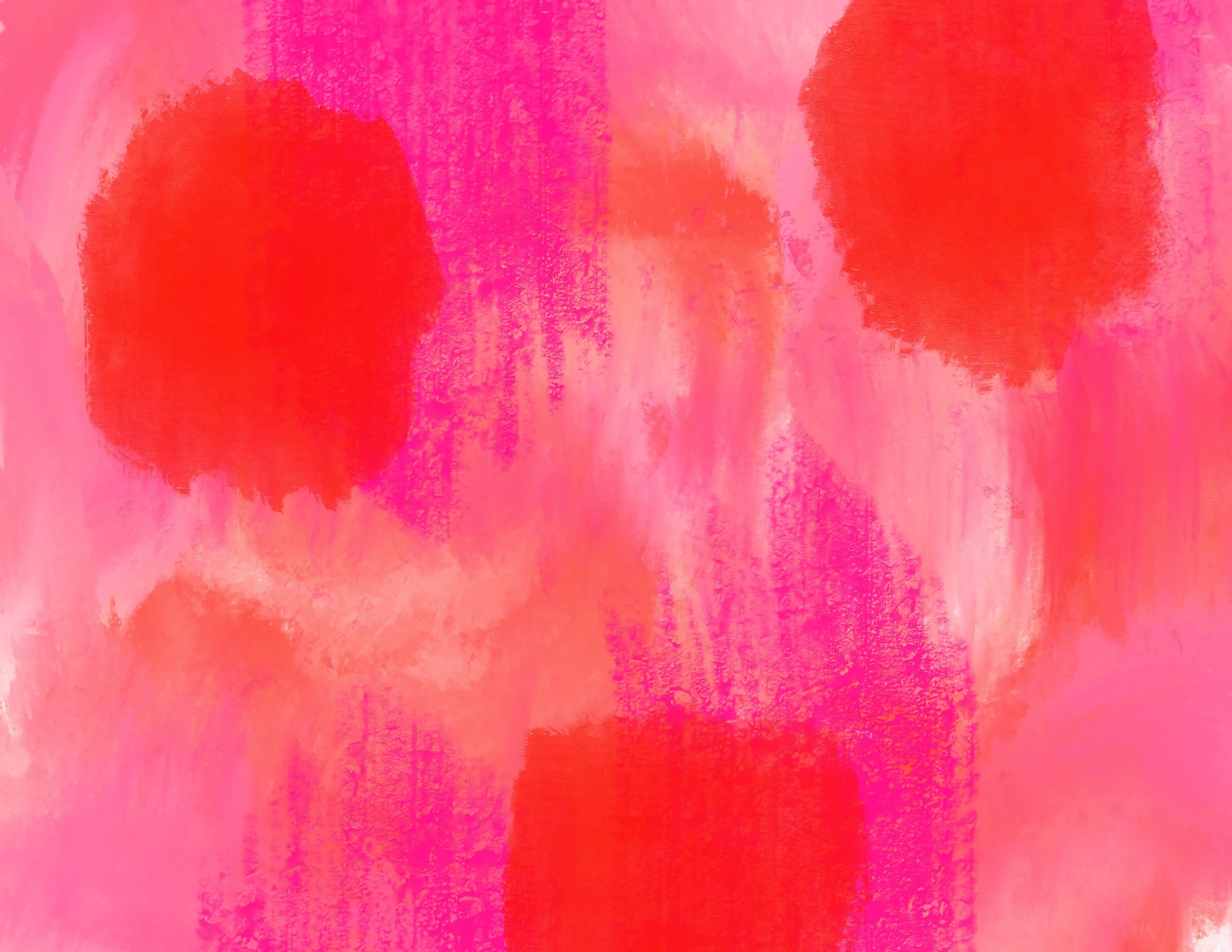
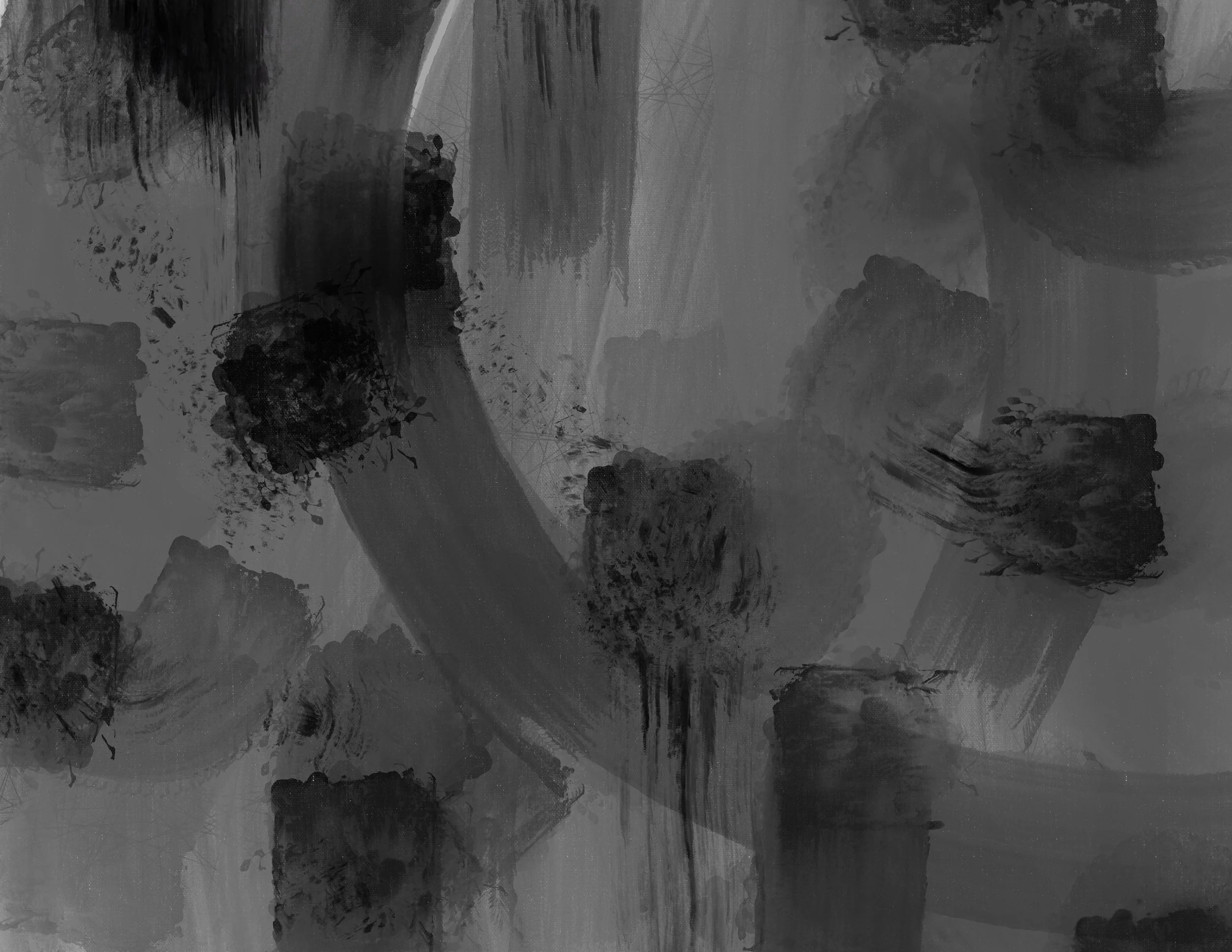
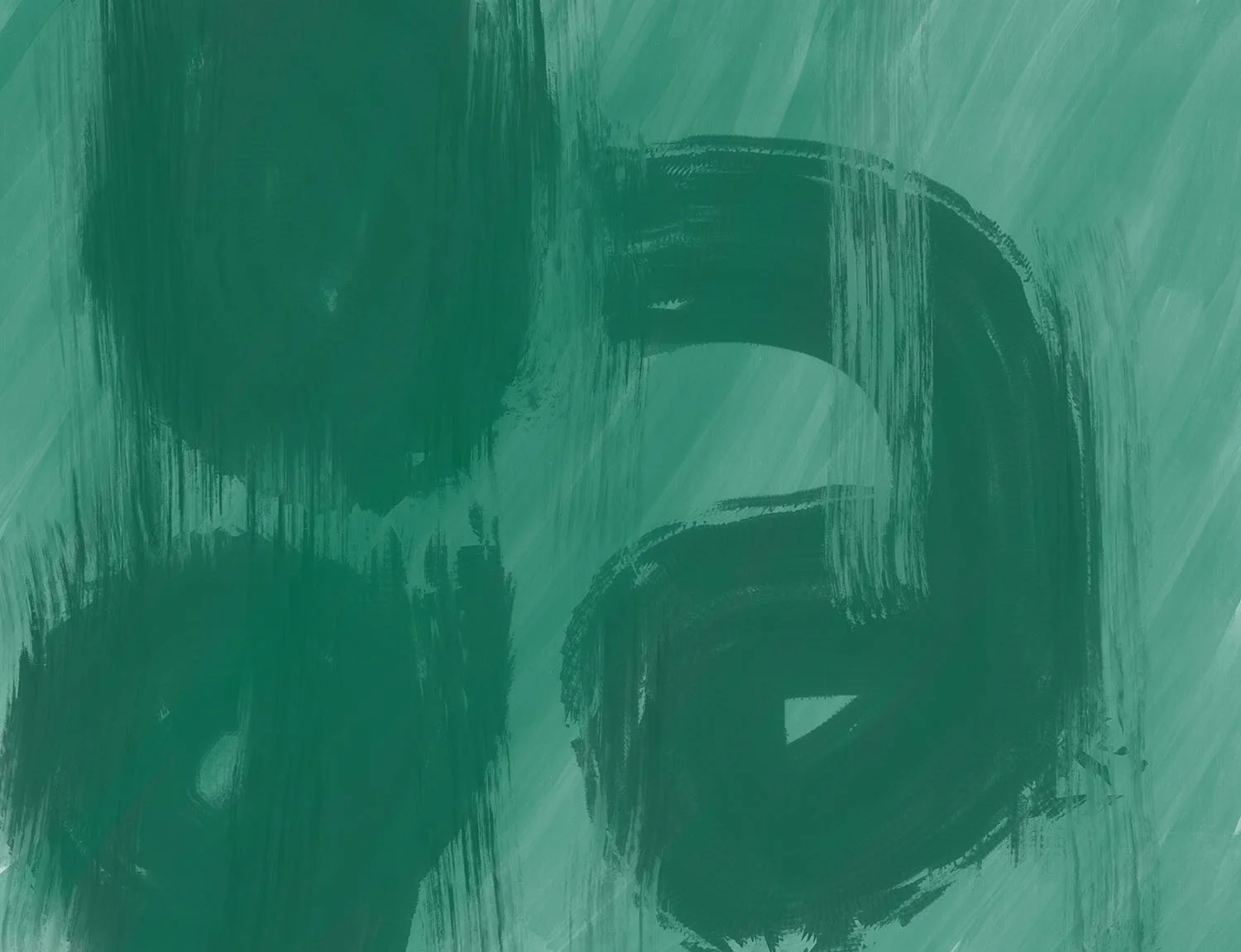
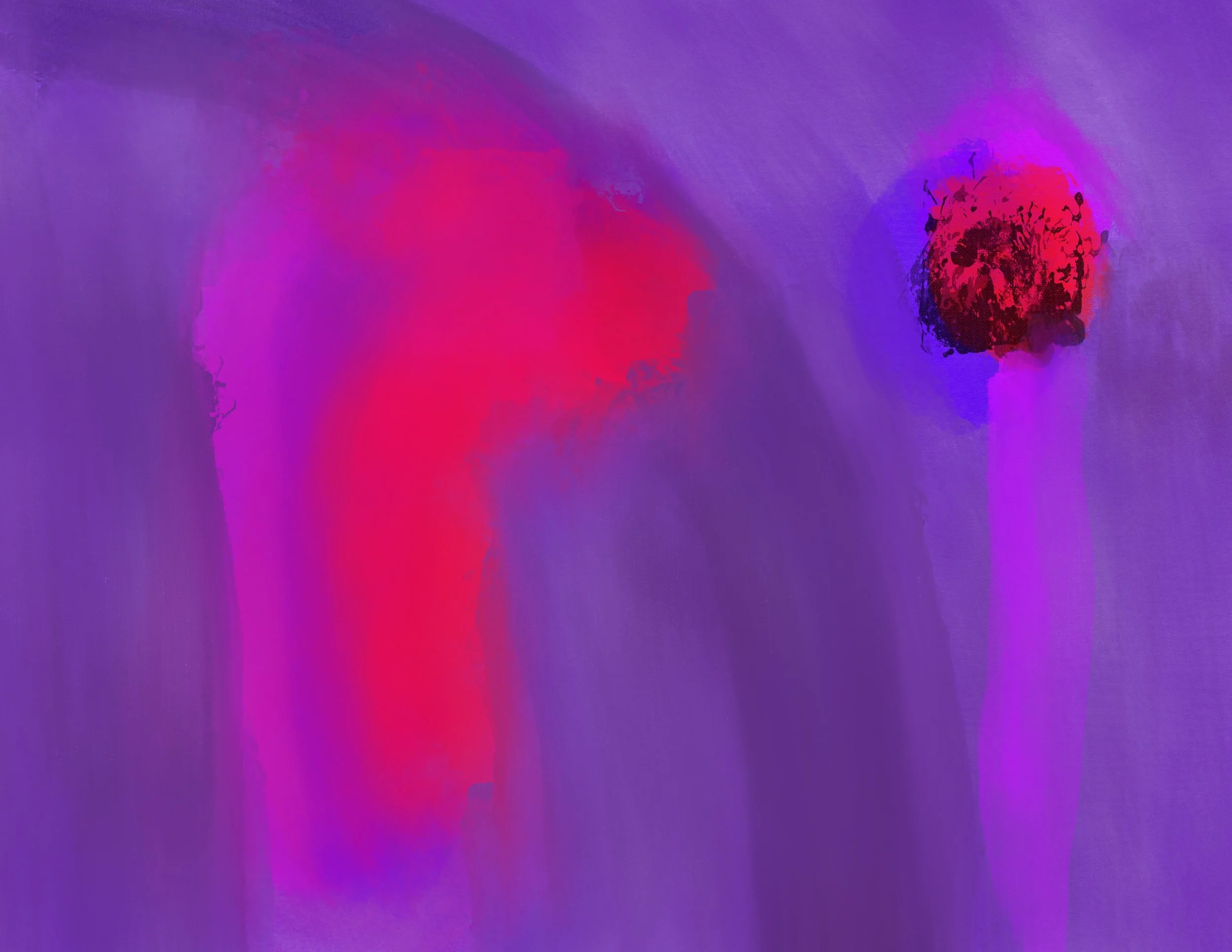
This series explores gender as both a societal projection and a cultural construction, examining how norms shape our expressive palette — the limited colors, gestures, strokes, and visual languages through which we are taught to make ourselves legible.
These works represent gender beyond plain pink and blue, not as a fixed identity, but as something continually worked with, re-composed, painted, and projected — often illegibly, as is the case for non-cis and nonbinary identities. Each painting functions as a snapshot of what someone might express or project at a given moment. Collectively, the pieces articulate a non-cis, nonbinary understanding of gender through variation rather than a singular definition. The refusal of clear classification reflects how nonbinary expression is often read as abstract — sometimes intentionally, sometimes through misrecognition.
The paintings are projected onto walls to emphasize how gendered meaning is cast onto bodies, objects, and spaces, rather than biologically inherited or internally fixed. Within social and physical constraints, the series demonstrates how queer people transform gender using limited expressive tools, producing self-determined expressions that persist, adapt, and resist under the pressures of contemporary society. They attempt to re-paint themselves, or settle on one painting, reclaiming cis projection by transforming imposed meaning into a practice of gender expressionism.
——-
Within these constraints, individuals are often required to construct their appearance using restricted tools, techniques, physical capacities, and social rules. Such expressions may remain consistent, shift gradually, or change daily, yet are always formed in relation to systems that delimit how expression is allowed to appear. The work examines how queer self-fashioning interrupts the projection of cisnormative meaning onto the body. By treating gender as an authored, aesthetic practice, the series positions queerness as an active process of making — situational, transitory, and responsive to context.
Collectively, the pieces articulate a nonbinary understanding of gender through variation rather than singular definition. At times, the works read as paintings; at other moments, they resist that categorization entirely. This instability mirrors the scrutiny gender-variant people frequently experience when their appearances fail to conform to normative expectations. The refusal of clear classification reflects how nonbinary expression is often read as abstract — sometimes intentionally, sometimes through misrecognition.